Where to Watch
United StatesStream


Rent


As an Amazon Associate, PopcornCheck earns from qualifying purchases. Search results may include other editions; confirm the title, year and availability on Amazon.
Streaming data by JustWatch
What's In It
Based on the actual screenplayViolenceExtreme▼
LanguageMild▼
Scary ScenesExtreme▼
RomanceMild▼
SubstancesMild▼
StimulationExtreme▼
Despite the film's family-adventure branding, the Wormtail self-amputation scene is significantly more body-horror than most parents expect from a Harry Potter film — the script describes Wormtail cutting off his own hand at Voldemort's instruction as part of the resurrection ritual, collapsing in pain, and then being given a silver replacement hand — this is not implied, it is described in clinical ritual language and sits in the middle of what is otherwise a children's adventure franchise.
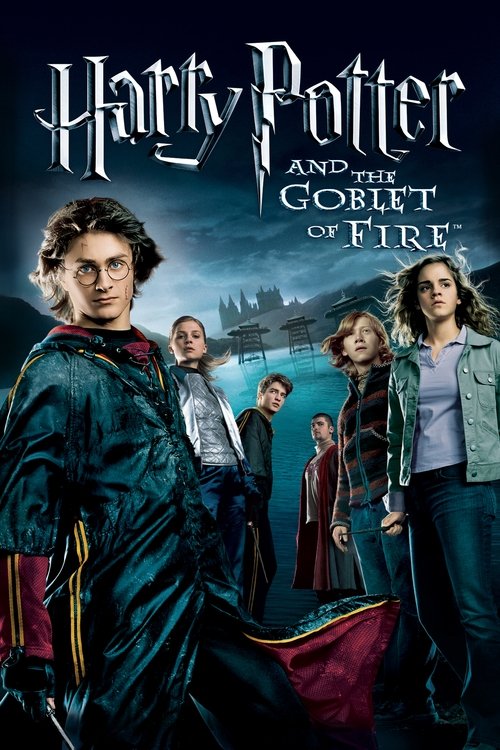
About Harry Potter and the Goblet of Fire
Harry Potter and the Goblet of Fire follows 14-year-old Harry Potter as he is mysteriously entered into a dangerous magical competition called the Triwizard Tournament, facing deadly tasks involving dragons, merpeople, and a treacherous maze. The film builds toward a dark climax in which the villain Lord Voldemort is resurrected and a fellow student is murdered. The tone is significantly darker than earlier entries in the series, shifting from adventure toward genuine horror and grief.
Family Takeaways from Harry Potter and the Goblet of Fire
What it gets right
- ✓The film treats Cedric's death with genuine weight rather than brushing past it — Arthur Weasley's grief at his son's death is kept offscreen while Mr Diggory's raw breakdown ('That's my boy!') is shown, teaching children that death has real consequences and causes real pain
- ✓The subplot of Barty Crouch Senior sending his own son to Azkaban is presented as a moral failure — Dumbledore's quiet disapproval suggests that justice should not come at the cost of parental love, opening space to discuss proportionality and mercy
- ✓Ron and Hermione's argument after the Yule Ball is one of the most emotionally honest teenage relationship scenes in the series — Hermione tells Ron he should have asked her before someone else did, 'and not as a last resort,' which is a genuinely useful model for children about how to treat people they care about
Harry Potter and the Goblet of Fire Cultural & Values Guide
Cultural & Values Guide
The film opens with a genuine prayer scene before the Quidditch World Cup, and Christmas at Hogwarts is portrayed with sincere reverence and traditional celebration. Harry's protection through his mother's sacrificial love continues the series' Christ-like sacrifice allegory.
Community Notes
- Some Christian critics have historically raised concerns about the Harry Potter series' positive depiction of witchcraft, spells, and dark magical rituals — the resurrection scene in this film, which uses bone, flesh, and blood in an incantation, is the most ritualistically structured sequence in the series and may be of specific concern to families with those objections
- Some critics have noted that the Death Eaters' ideology — pureblood supremacy, contempt for 'Muggles,' and the branding of followers — is an explicit parallel to real-world fascism and antisemitism, which may prompt unexpected conversations with younger children who pick up on these parallels
Awards: Academy Award nomination for Best Art Direction
Is Harry Potter and the Goblet of Fire Appropriate for Your Child's Age?
Individual children may vary — use your judgment.
Parents also ask about Harry Potter and the Goblet of Fire
- Is Harry Potter and the Goblet of Fire appropriate for a 11-year-old?
- Does Harry Potter and the Goblet of Fire have violence?
- Is Harry Potter and the Goblet of Fire OK for kids?
- What is the age rating for Harry Potter and the Goblet of Fire?