🍿 PopcornCheck
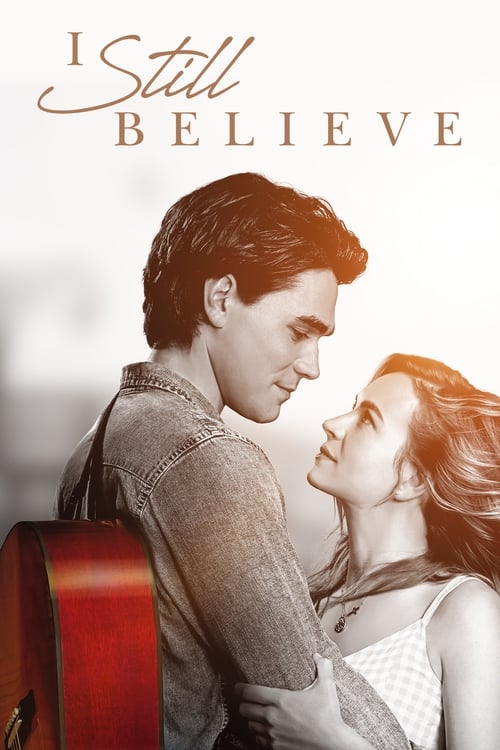
I Still Believe poster

Is I Still Believe OK for Kids?

MusicDramaRomance
12+
PG⭐ 6.5 / 102020 · 1h 55m
Andrew Erwin

Where to Watch

United States

Stream

fuboTVYouTube TVFXNow

Rent

Amazon VideoApple TV StoreGoogle Play MoviesYouTubeFandango At HomePlex
Rent or Buy on Amazon

Streaming data by JustWatch

What's In It

Based on the actual screenplay
πŸ—‘οΈViolence
Noneβ–Ό
Moments in the script, mildest β†’ most intense
0
Cartoon / Comedic
0
Action & Peril
0
Injuries & Death Shown
0
Graphic & Disturbing
  • No violent scenes, fights, or weapons appear anywhere in the extracted content.
  • The film's conflict is entirely emotional and medical (Melissa's cancer) rather than physical violence.
  • There are no depictions of characters being harmed by another person at any point.
πŸ’¬Language
Very Mildβ–Ό
Moments in the script, mildest β†’ most intense
1
Mild Words
(damn, hell)
0
Moderate
(ass, b**ch)
0
Strong
(sh*t)
0
Extreme
(f**k)
  • The word 'hell' is used once in the entire film.
  • No f-words, s-words, or other strong profanity are detected in the script.
  • Overall language is extremely clean and would not stand out compared to everyday school-age conversation.
πŸ‘»Scary Scenes
Extremeβ–Ό
Moments in the script, mildest β†’ most intense
1
Mildly Tense
0
Startling Moments
0
Genuinely Scary
3
Deeply Disturbing
  • Melissa experiences severe pain and visible distress from her cancer across multiple scenes, which may be hard for sensitive viewers to watch.
  • A doctor tells Melissa she will not be able to have children due to her cancer treatment, a tense and emotionally difficult scene.
  • Melissa has a breakdown/yelling scene after receiving that news, showing raw grief and anger.
  • The film's most disturbing moment is Melissa's death in the hospital, shown through the EKG flatlining as she passes away, which is emotionally intense rather than graphic.
  • These moments are resolved through the film's faith-based framing, with Jeremy processing his grief through music and ministry rather than through further frightening imagery.
πŸ’•Romance
Moderateβ–Ό
Moments in the script, mildest β†’ most intense
2
Crushes & Holding Hands
2
Kissing & Dating
1
Suggestive
0
Sexual Content
  • Jeremy and Melissa's romance progresses from a first meeting and conversation at a college event, to a beach pier date, to kissing scenes including one after Jeremy brings galaxy lights to her hospital room and proposes.
  • Their wedding ceremony includes a kiss and spoken vows.
  • A honeymoon sailing trip is referenced with intimate moments between the newlyweds described as suggestive but not shown explicitly.
  • There is no nudity or explicit sexual content β€” intimacy is implied rather than depicted.
🍺Substances
Very Mildβ–Ό
Moments in the script, mildest β†’ most intense
1
Mentioned in Passing
0
Shown Casually
0
Featured Prominently
0
Glorified or Abused
  • Pain medication is mentioned as being prescribed for Melissa during her cancer treatment.
  • This is presented purely in a medical context, not glorified, recreational, or shown in detail.
  • No alcohol, smoking, or recreational drug use appears anywhere in the extraction.
⚑Stimulation
Extremeβ–Ό
Moments in the script, mildest β†’ most intense
0
Gently Engaging
0
Exciting
2
Intense
1
Overwhelming
  • Concert performance sequences feature high-energy crowds and musical performances that build intensity.
  • The cancer diagnosis and escalating health complications create an emotionally overwhelming arc across the film's runtime.
  • The hospital emergency scene, with the EKG beeping rapidly before Melissa's death, is a particularly intense and emotionally charged sequence.
  • Sensory-sensitive children may find the hospital emergency and emotional breakdown scenes overwhelming despite the absence of loud action violence.
I Still Believe β€” Heads Up for Parents

Despite its clean rating on language and violence, parents should be prepared for the emotional intensity of Melissa's hospital death scene, shown through a flatlining EKG, and her earlier breakdown after learning she cannot have children β€” these moments are more emotionally heavy than the film's gentle tone might suggest.

About I Still Believe

"I Still Believe" is a faith-based romantic drama based on the true story of Christian musician Jeremy Camp, who falls in love with Melissa Henning while in college, only to have their relationship tested when she is diagnosed with cancer. The film focuses on their courtship, marriage, her illness and eventual death, and how Jeremy's grief becomes the foundation for his music and ministry. The tone is emotional and inspirational rather than graphic, centered on themes of faith, love, and loss.

πŸ‘¨β€πŸ‘§
Best watched together
The film's core storyline about cancer, infertility, and death β€” including Melissa's breakdown scene and her hospital death β€” is emotionally heavy for children and younger teens, so a parent's presence is recommended to help process the grief and faith themes, especially for viewers under 14.

Family Takeaways from I Still Believe

What it gets right

  • βœ“The film portrays grief honestly rather than sanitizing it, showing Melissa's breakdown after learning she can't have children as a real and raw emotional response.
  • βœ“It models how personal pain can be transformed into purpose, as seen when Jeremy performs 'I Still Believe' and shares Melissa's story, leading to spiritual change in others.

I Still Believe Cultural & Values Guide

Cultural & Values Guide

Faith & Religion
●Christian themes

The film follows Christian singer Jeremy Camp's journey through faith, marriage, and loss, with prayer, worship music, and trusting God through tragedy as central elements throughout the story.

Values & Themes
●Traditional family values

The entire narrative centers on Jeremy and Melissa's commitment to marriage and faith despite her terminal cancer diagnosis, explicitly celebrating sacrificial love and covenant marriage as core values.


Cast:KJ ApaBritt RobertsonNathan ParsonsGary SiniseShania Twain

Is I Still Believe Appropriate for Your Child's Age?

βœ—Age 5: Not recommended for 5-year-olds
βœ—Age 8: Not recommended for 8-year-olds
βœ—Age 10: Not recommended for 10-year-olds
βœ“Age 12: Generally appropriate for 12-year-olds
βœ“Age 13: Generally appropriate for 13-year-olds
βœ“Age 15: Generally appropriate for 15-year-olds
βœ“Age 17: Generally appropriate for 17-year-olds

Individual children may vary β€” use your judgment.

Parents also ask about I Still Believe

  • Is I Still Believe appropriate for a 12-year-old?
  • Does I Still Believe have violence?
  • Is I Still Believe OK for kids?
  • What is the age rating for I Still Believe?