Where to Watch
United StatesStream


Rent


As an Amazon Associate, PopcornCheck earns from qualifying purchases. Search results may include other editions; confirm the title, year and availability on Amazon.
Streaming data by JustWatch
What's In It
Based on the actual screenplayViolenceExtreme▼
LanguageModerate▼
Scary ScenesExtreme▼
RomanceModerate▼
SubstancesModerate▼
StimulationExtreme▼
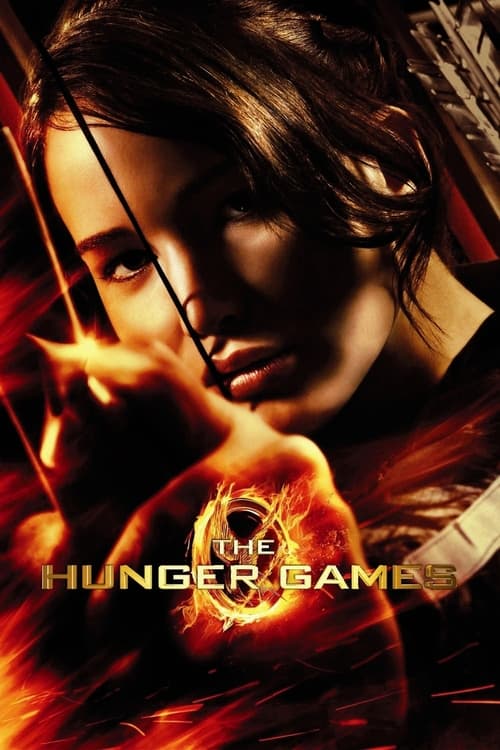
Parents may not expect how disturbing Peeta's hijacking attack is — he violently strikes Katniss during a brainwashed episode, and the scene requires him to be physically restrained, which is more psychologically intense than the arena violence of earlier films.
About The Hunger Games: Mockingjay – Part 1
Katniss Everdeen becomes the symbolic 'Mockingjay' of a growing rebellion against the Capitol, working with District 13 to produce propaganda broadcasts while a rescue mission is launched to save the brainwashed Peeta. The tone is dark and war-focused, dealing with bombings, psychological torture, and the human cost of rebellion rather than an arena-based survival game.
Family Takeaways from The Hunger Games: Mockingjay – Part 1
What it gets right
- ✓The film shows the real human cost of war and rebellion, such as the 9,915 deaths in the District 12 firebombing, rather than glamorizing violence
- ✓It highlights acts of moral courage, like Katniss negotiating a Tribute pardon and Finnick exposing Capitol corruption through broadcast
The Hunger Games: Mockingjay – Part 1 Cultural & Values Guide
Cultural & Values Guide
Katniss's motivation throughout the film is protecting her sister Prim, and her connection to family drives every major decision. The film emphasizes sacrifice for family and the bonds between the Everdeen sisters as central to the emotional core.
Is The Hunger Games: Mockingjay – Part 1 Appropriate for Your Child's Age?
Individual children may vary — use your judgment.
Parents also ask about The Hunger Games: Mockingjay – Part 1
- Is The Hunger Games: Mockingjay – Part 1 appropriate for a 13-year-old?
- Does The Hunger Games: Mockingjay – Part 1 have violence?
- Is The Hunger Games: Mockingjay – Part 1 OK for kids?
- What is the age rating for The Hunger Games: Mockingjay – Part 1?