🍿 PopcornCheck
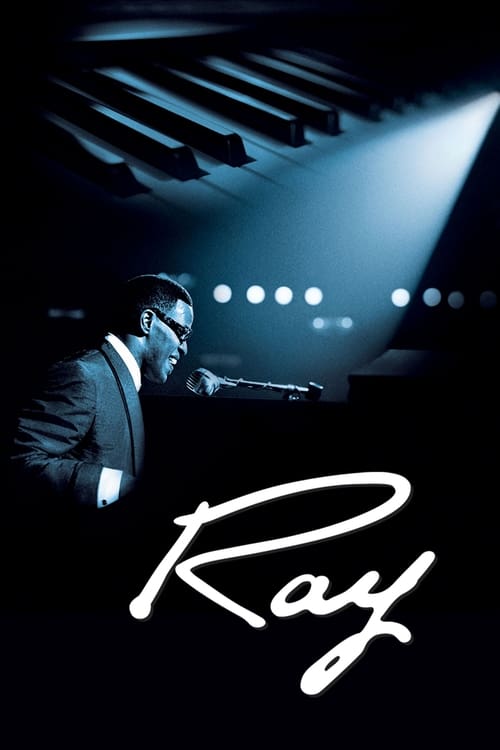
Ray poster

Is Ray OK for Kids?

DramaMusic
15+
PG-13⭐ 7.7 / 102004 · 2h 32m
Taylor Hackford

Where to Watch

United States

Stream

Starz Apple TV channel

Rent

Amazon VideoApple TV StoreGoogle Play MoviesYouTubeFandango At Home
Rent or Buy on Amazon

Streaming data by JustWatch

What's In It

Based on the actual screenplay
πŸ—‘οΈViolence
Extremeβ–Ό
Moments in the script, mildest β†’ most intense
0
Cartoon / Comedic
4
Action & Peril
2
Injuries & Death Shown
1
Graphic & Disturbing
  • Young Ray nearly drowns in a washtub while his mother performs emergency CPR to save him, depicted graphically and emotionally
  • Police beat and arrest Ray using excessive force during a drug search on his tour bus
  • Police open fire at a segregated concert venue during a protest, causing dancing audience members to flee in panic
  • Ray is violently restrained by medical staff during a withdrawal sequence, struggling against the restraints
  • Ray attempts to hit his manager Jeff Brown in an altercation between band members
  • A bus driver initially refuses to transport Ray, leading to a tense verbal confrontation about segregation
  • Overall tone is dramatic and grounded rather than action-oriented, with violence tied to racism, addiction, and desperation rather than combat
πŸ’¬Language
Extremeβ–Ό
Moments in the script, mildest β†’ most intense
0
Mild Words
(damn, hell)
2
Moderate
(ass, b**ch)
64
Strong
(sh*t)
12
Extreme
(f**k)
  • The racial slur 'nigger/nigra' is used 12 times, reflecting the segregated setting
  • Strong language includes da** (18), hell (14), a** (22), b**tard (4), b**ch (3), and s**t (3)
  • Moderate language includes cr*p (2)
  • No f-words or c-words detected, but the frequency of the racial slur and strong profanity is significant for a mainstream biopic
πŸ‘»Scary Scenes
Extremeβ–Ό
Moments in the script, mildest β†’ most intense
1
Mildly Tense
1
Startling Moments
1
Genuinely Scary
3
Deeply Disturbing
  • Young Ray's gradual loss of vision is portrayed through emotionally heavy, disturbing scenes of a child grappling with permanent blindness
  • The near-drowning sequence where his mother performs CPR is intense and frightening for a child character
  • Margie Hendricks' heroin overdose death is shown as a devastating, disturbing consequence of addiction
  • Ray's drug withdrawal sequence depicts violent physical and psychological suffering, including a hallucination of his deceased brother George
  • Police opening fire at the segregated concert venue is a sudden, startling moment of real danger
  • A tense police raid and interrogation occurs on Ray's tour bus after a drug arrest
  • Scary and disturbing moments are generally resolved through Ray's resilience, recovery, or historical redemption rather than left unresolved
πŸ’•Romance
Extremeβ–Ό
Moments in the script, mildest β†’ most intense
1
Crushes & Holding Hands
2
Kissing & Dating
2
Suggestive
1
Sexual Content
  • Ray meets Della Bea Antwine at a radio station and their mutual attraction develops into a kiss and eventual marriage, including a wedding scene with the traditional carrying-over-the-threshold moment
  • A scene at Della's home implies physical intimacy as a gospel song is repurposed into a love song
  • Ray has a sexual encounter with Margie Hendricks in a hotel room featuring suggestive dialogue about a 'goodie bag' and 'flying to the moon'
  • Multiple scenes reference Ray's ongoing infidelities and affairs with backup singers and groupies throughout the film
  • Young Mary Ann Fisher develops a crush on Ray and volunteers to join his band
🍺Substances
Extremeβ–Ό
Moments in the script, mildest β†’ most intense
2
Mentioned in Passing
0
Shown Casually
5
Featured Prominently
1
Glorified or Abused
  • Oberon offers Ray marijuana ('gage') before his first performance at a club
  • An extended sequence shows dealers on the tour bus offering heroin ('boy') to band members
  • Ray injects heroin multiple times throughout the film, with the needle shown on screen
  • Margie and others discuss heroin as being better than sex, portraying it as an escape or pleasure β€” a glorified depiction
  • Ray is arrested at an international airport with heroin, facing federal drug smuggling charges
  • An extended hospital detoxification sequence shows Ray's withdrawal suffering and denial in graphic detail
  • Fathead repeatedly warns Ray about discipline and addiction, trying to keep him off drugs
  • Alcohol (Bols) is consumed by Ray throughout the film as a background habit
⚑Stimulation
Extremeβ–Ό
Moments in the script, mildest β†’ most intense
0
Gently Engaging
2
Exciting
2
Intense
1
Overwhelming
  • Ray's first live performance at The Rocking Chair is an exciting sequence showcasing his improvisational talent
  • Recording sessions for 'I've Got a Woman' and 'What'd I Say' are intense, showing innovative sound creation in real time
  • Concert performances with the full band and Raelettes feature dynamic, high-energy vocal arrangements
  • Drug use sequences portray the heroin high as an overwhelming, all-consuming sensory escape
  • Pacing is generally dramatic and character-driven rather than fast-action, but drug and performance sequences can be intense for sensory-sensitive viewers
Ray β€” Heads Up for Parents

Despite being a mainstream music biopic, the film includes graphic on-screen heroin injections and an extended, disturbing withdrawal sequence with Ray physically restrained by hospital staff and hallucinating his dead brotherβ€”content parents may not expect from a PG-13-style musical biography.

About Ray

Ray is a biographical drama chronicling the life of legendary musician Ray Charles, from his impoverished, tragedy-marked childhood in the segregated South to his rise as a pioneering musical genius. The film unflinchingly depicts his blindness, his heroin addiction, his infidelities, and his stand against Jim Crow segregation, balancing triumphant musical moments with dark, sobering depictions of addiction and racism.

πŸ‘¨β€πŸ‘§
Best watched together
Heavy themes of racism (including 12 uses of a racial slur), heroin addiction shown in graphic detail, and a sexual hotel room scene make this best watched with a parent present to contextualize the history and discuss the consequences of addiction for teens 15 and up.

Family Takeaways from Ray

What it gets right

  • βœ“The film honestly portrays the destructive consequences of addiction rather than glamorizing it long-term, culminating in Ray's voluntary rehabilitation and Margie's tragic overdose death
  • βœ“It highlights genuine moral courage through Ray's refusal to perform at a segregated Georgia venue, showing that standing on principle can come at real cost

Ray Cultural & Values Guide

Cultural & Values Guide

Faith & Religion
●Christian themes

Ray's spiritual journey includes genuine gospel performances and his relationship with faith communities. His music explicitly bridges secular and sacred, with gospel being foundational to his artistic identity.

Values & Themes
●Traditional family values

Ray's commitment to providing for his large family and his deep grief over his brother's death drive key emotional moments. The film emphasizes family responsibility and the importance of honoring those we've lost.


Cast:Jamie FoxxKerry WashingtonRegina KingHarry LennixClifton Powell

Is Ray Appropriate for Your Child's Age?

βœ—Age 5: Not recommended for 5-year-olds
βœ—Age 8: Not recommended for 8-year-olds
βœ—Age 10: Not recommended for 10-year-olds
βœ—Age 12: Not recommended for 12-year-olds
βœ—Age 13: Not recommended for 13-year-olds
βœ“Age 15: Generally appropriate for 15-year-olds
βœ“Age 17: Generally appropriate for 17-year-olds

Individual children may vary β€” use your judgment.

Parents also ask about Ray

  • Is Ray appropriate for a 15-year-old?
  • Does Ray have violence?
  • Is Ray OK for kids?
  • What is the age rating for Ray?