Where to Watch
United StatesStream


Rent


As an Amazon Associate, PopcornCheck earns from qualifying purchases. Search results may include other editions; confirm the title, year and availability on Amazon.
Streaming data by JustWatch
What's In It
Based on the actual screenplayViolenceExtreme▼
LanguageExtreme▼
Scary ScenesExtreme▼
RomanceModerate▼
SubstancesMild▼
StimulationExtreme▼
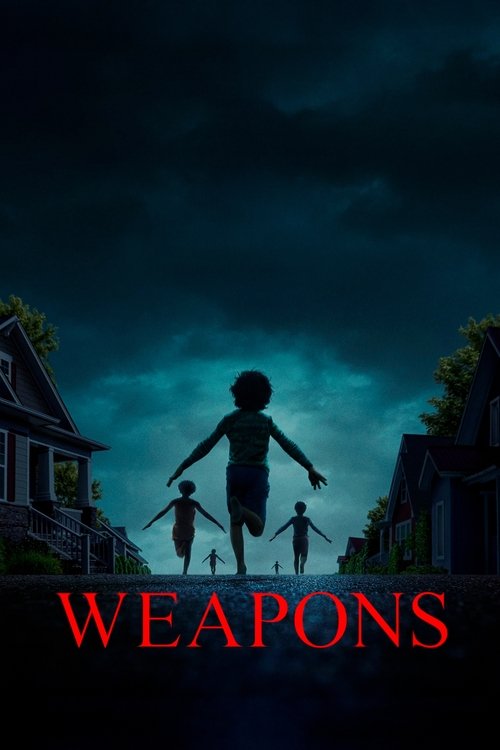
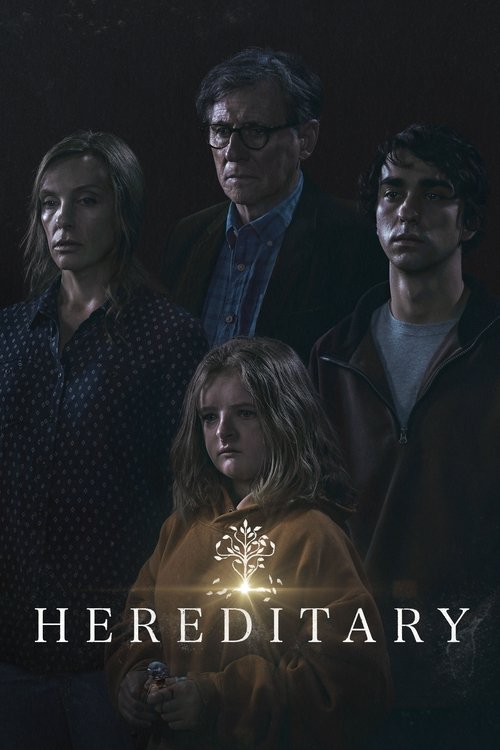
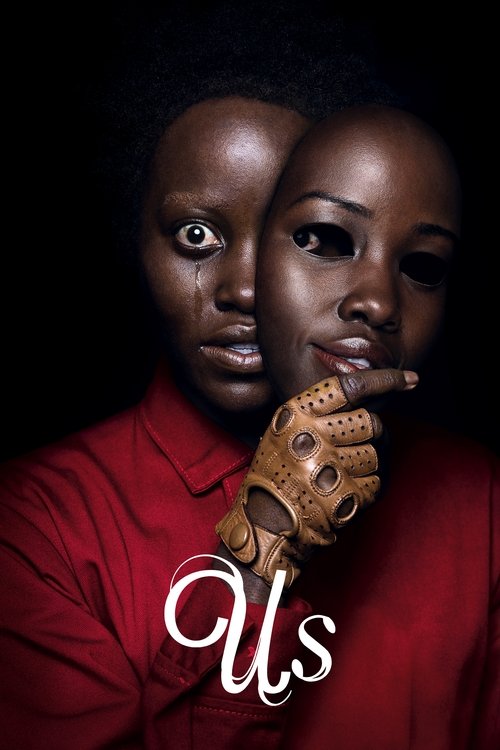
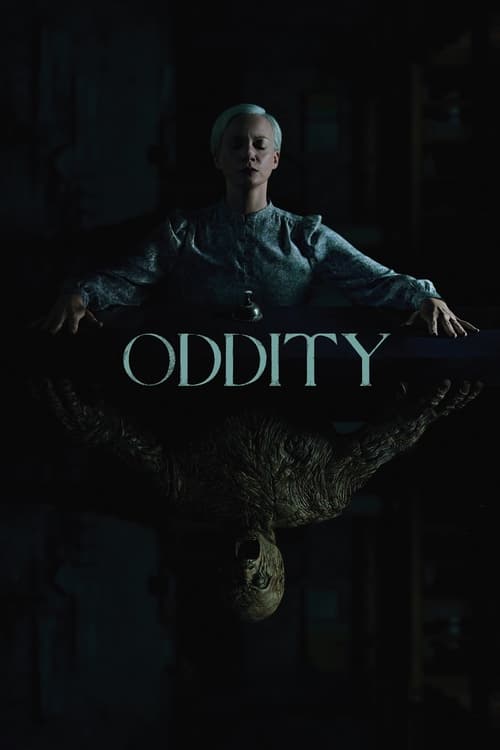
Despite being a horror film, parents should be aware that suicide is shown graphically and repeatedly on screen as the central mechanism of the plot — most notably Laura Weaver's self-harm death in front of Dr. Cotter during a clinical evaluation — which is more explicit and frequent than many parents may expect even from an R-rated horror movie.
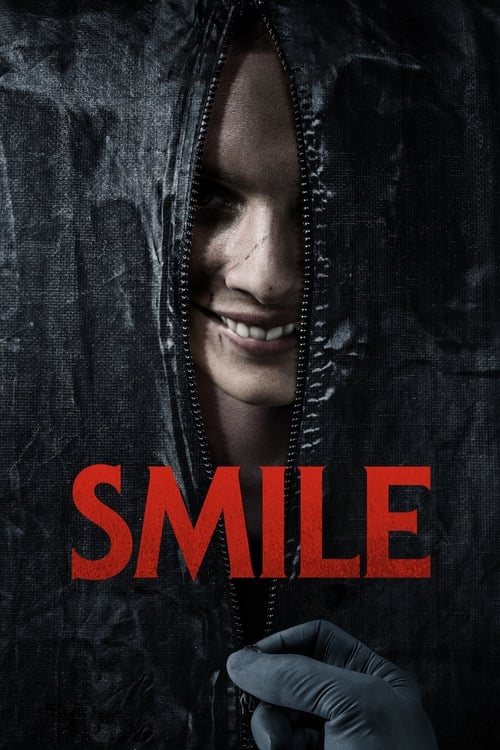
About Smile
A psychiatrist named Rose witnesses a patient violently take her own life during an evaluation and soon becomes convinced she is being stalked by a shape-shifting entity that wears the faces of the dead. As she investigates a chain of over 20 prior victims, her grip on reality unravels, blurring the line between supernatural curse and inherited mental illness. This is a tense, disturbing psychological horror film built around graphic suicide imagery and escalating dread.
Family Takeaways from Smile
What it gets right
- ✓Dr. Desai's encouragement for Rose to seek professional help models a healthy, non-stigmatizing response to someone in psychological crisis.
- ✓Joel's steady loyalty to Rose, even when her experiences seem irrational to outsiders, models standing by someone in a mental health crisis rather than abandoning them.
Smile Cultural & Values Guide
Cultural & Values Guide
No cultural or religious themes detected for this film.
Community Notes
- Mental health advocacy perspectives may raise concern about the film's repeated, graphic use of suicide as a horror device, given its stated themes of mental health stigma and generational trauma.
Is Smile Appropriate for Your Child's Age?
Individual children may vary — use your judgment.
Parents also ask about Smile
- Is Smile appropriate for a 17-year-old?
- Does Smile have violence?
- Is Smile OK for kids?
- What is the age rating for Smile?