๐Ÿฟ PopcornCheck
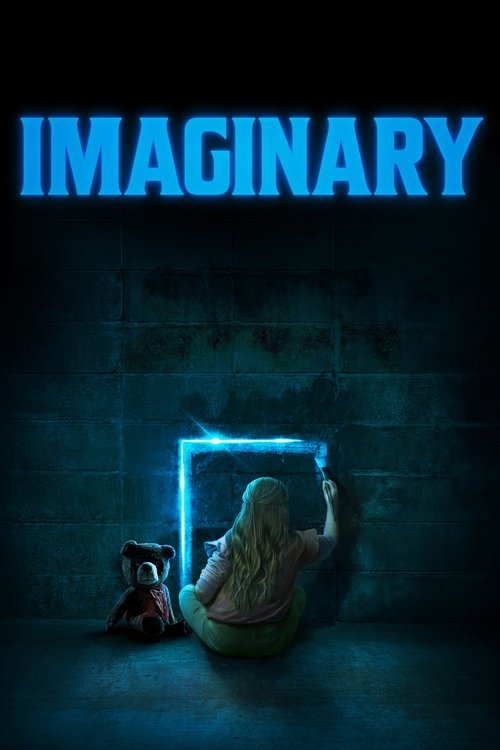
Imaginary poster

Is Imaginary OK for Kids?

HorrorMystery
14+
PG-13โญ 4.8 / 102024 ยท 1h 44m
Jeff Wadlow

Where to Watch

United States

Stream

HuluStarz Apple TV channel

Rent

Amazon VideoApple TV StoreGoogle Play MoviesYouTubeFandango At HomePlex
Rent or Buy on Amazon

Streaming data by JustWatch

What's In It

Based on the actual screenplay
๐Ÿ—ก๏ธViolence
Extremeโ–ผ
Moments in the script, mildest โ†’ most intense
0
Cartoon / Comedic
2
Action & Peril
2
Injuries & Death Shown
2
Graphic & Disturbing
  • Alice attempts to impale her hand with a rusty nail during a scavenger hunt directed by the entity Chauncey โ€” shown as a genuinely alarming moment of child self-endangerment.
  • Jessica cuts her own arm with scissors as part of a ritual required to open a doorway into the spirit world โ€” the self-harm is shown as a deliberate, purposeful act.
  • Jessica's father is depicted in a state of cognitive breakdown, shown being physically aggressive toward a young Jessica โ€” presented as a traumatic childhood memory.
  • The entity Chauncey physically attacks and restrains multiple characters inside the spirit world during the climactic sequence.
  • The entity is destroyed in the climactic confrontation โ€” shown dissolving and burning when exposed to fire and imagination โ€” depicted in a graphic, visually intense way.
  • Characters run and fight through the spirit world attempting to escape the supernatural creature in a prolonged action sequence.
  • No firearms are used; violence is primarily supernatural and ritualistic in nature, with self-harm being the most distressing element for many viewers.
๐Ÿ’ฌLanguage
Moderateโ–ผ
Moments in the script, mildest โ†’ most intense
2
Mild Words
(damn, hell)
1
Moderate
(ass, b**ch)
6
Strong
(sh*t)
0
Extreme
(f**k)
  • Strong language used: 's**t' (4 times), 'a**hole' (1 time), 'da**' (1 time).
  • Moderate language used: 'hell' (1 time), 'bitchy' (1 time).
  • No f-words, c-words, or slurs detected in the extraction.
  • Language is infrequent and largely incidental rather than pervasive throughout the film.
๐Ÿ‘ปScary Scenes
Extremeโ–ผ
Moments in the script, mildest โ†’ most intense
0
Mildly Tense
3
Startling Moments
4
Genuinely Scary
3
Deeply Disturbing
  • The central revelation โ€” that the imaginary friend Chauncey is a malevolent entity that has caused multiple children to vanish over the decades โ€” is deeply disturbing and forms the backbone of the film's horror.
  • Alice mysteriously disappears from her locked bedroom, a genuinely frightening scene that sets the plot in motion.
  • Dr. Soto reveals a pattern of missing children connected to imaginary friend attachments, including a past patient named Luis โ€” the implication that this has happened many times before adds sustained dread.
  • Extended spirit-world sequences show twisted, corrupted versions of familiar spaces and feature the entity pursuing characters in an attempt to trap them permanently.
  • Gloria is revealed to have been an accomplice who has been trapped in the spirit world for years โ€” a disturbing reveal about a character who seemed trustworthy.
  • The entity's true form and full power are displayed in the climactic sequence, which is designed to be visually and emotionally overwhelming.
  • The film builds sustained psychological dread throughout its middle section as the imaginary friend's true malevolent nature is progressively revealed โ€” this slow-burn horror may be more unsettling than jump scares for many viewers.
  • Scary sequences are ultimately resolved through Jessica's sacrifice and the destruction of the entity, but the journey involves significant trauma and peril to child characters.
๐Ÿ’•Romance
Mildโ–ผ
Moments in the script, mildest โ†’ most intense
0
Crushes & Holding Hands
1
Kissing & Dating
0
Suggestive
0
Sexual Content
  • Jessica and Max are shown as a married couple with brief physical affection โ€” limited to light, incidental moments.
  • No sexual content, nudity, or sexual implication of any kind is present in the extraction.
  • Romance is not a focus of the film and does not require parental concern.
๐ŸบSubstances
Very Mildโ–ผ
Moments in the script, mildest โ†’ most intense
2
Mentioned in Passing
0
Shown Casually
0
Featured Prominently
0
Glorified or Abused
  • A character makes a casual reference to consuming an edible drug that caused hallucinations, described humourously as making their 'left eye see 12 seconds into the future' โ€” presented as a throwaway anecdote rather than depicted on screen.
  • Taylor discusses hiding alcohol consumption by filling a cup with apple juice โ€” mentioned in dialogue, not shown, and framed as a teen behaviour rather than glorified.
  • Substance use is not shown on screen, not a focus of any scene, and is not depicted as glamorous or consequence-free.
  • No smoking, hard drug use, or addiction storylines are present in the extraction.
โšกStimulation
Moderateโ–ผ
Moments in the script, mildest โ†’ most intense
0
Gently Engaging
0
Exciting
3
Intense
0
Overwhelming
  • The extended climactic sequence set in the spirit world โ€” featuring the entity pursuing characters, a self-harm ritual, and Jessica's sacrifice โ€” is sustained, loud, and relentlessly high-tension.
  • The ritual sequence requiring characters to inflict self-harm to enter the spirit world is intensely uncomfortable and emotionally charged beyond just its physical content.
  • The film's middle section builds dread deliberately and continuously as Chauncey's true nature is revealed, creating prolonged psychological tension rather than isolated spikes.
  • The combination of supernatural horror imagery, child-in-peril scenarios, and emotionally intense family drama makes this film unsuitable for sensory-sensitive children or those prone to anxiety.
  • Not recommended for children under 13 on stimulation grounds alone; the spirit-world sequences in particular are designed to be disorienting and overwhelming.
Imaginary โ€” Heads Up for Parents

Despite being marketed as a supernatural creature-feature, the film's most disturbing content is its depiction of children in self-harm situations โ€” specifically, Alice being compelled to impale her hand with a rusty nail and Jessica cutting her own arm with scissors as part of a ritual โ€” which may be genuinely upsetting to parents of children who have experienced self-harm, and could be triggering for teen viewers with that history.

About Imaginary

Imaginary is a 2024 supernatural horror film in which Jessica, a children's book author, moves into her childhood home with her husband Max and stepdaughters Taylor and Alice. When young Alice becomes obsessed with a stuffed bear named Chauncey and begins behaving dangerously, Jessica discovers that Chauncey is a malevolent entity that has caused multiple children to vanish over the years. The film builds toward a dark spirit-world rescue as Jessica confronts her own traumatic childhood and sacrifices herself to save her family.

๐Ÿ‘จโ€๐Ÿ‘ง
Best watched together
The self-harm ritual, child-in-peril sequences, and themes of childhood trauma and mental illness affecting families are heavy enough that teens aged 14โ€“16 will benefit from a parent present to discuss the difference between the film's use of self-harm as a horror device and real-world self-harm, as well as the blended family and grief themes that may resonate personally.

Family Takeaways from Imaginary

What it gets right

  • โœ“The film handles blended family dynamics with genuine emotional complexity โ€” Taylor's hostility toward Jessica feels earned and her eventual acceptance, shown in the final scene where she calls Jessica 'Mom,' feels like a real emotional journey rather than a convenient resolution.
  • โœ“The film takes childhood trauma seriously, using Jessica's father's cognitive breakdown and its lasting effect on her adult confidence as a meaningful through-line rather than mere backstory.

Imaginary Cultural & Values Guide

Cultural & Values Guide

No cultural or religious themes detected for this film.

Community Notes

  • Some mental health advocacy communities may raise concerns about the depiction of self-harm (Jessica cutting her arm, Alice's nail scene) as a plot device rather than a serious issue, without on-screen acknowledgement of its real-world impact.
  • The casual, humorous framing of a teen (Taylor) hiding alcohol consumption may concern parents who feel underage drinking should not be treated lightly even in passing dialogue.

Cast:DeWanda WiseTaegen BurnsPyper BraunBetty BuckleyTom Payne

Is Imaginary Appropriate for Your Child's Age?

โœ—Age 5: Not recommended for 5-year-olds
โœ—Age 8: Not recommended for 8-year-olds
โœ—Age 10: Not recommended for 10-year-olds
โœ—Age 12: Not recommended for 12-year-olds
โœ—Age 13: Not recommended for 13-year-olds
โœ“Age 15: Generally appropriate for 15-year-olds
โœ“Age 17: Generally appropriate for 17-year-olds

Individual children may vary โ€” use your judgment.

Parents also ask about Imaginary

  • Is Imaginary appropriate for a 14-year-old?
  • Does Imaginary have violence?
  • Is Imaginary OK for kids?
  • What is the age rating for Imaginary?