๐Ÿฟ PopcornCheck
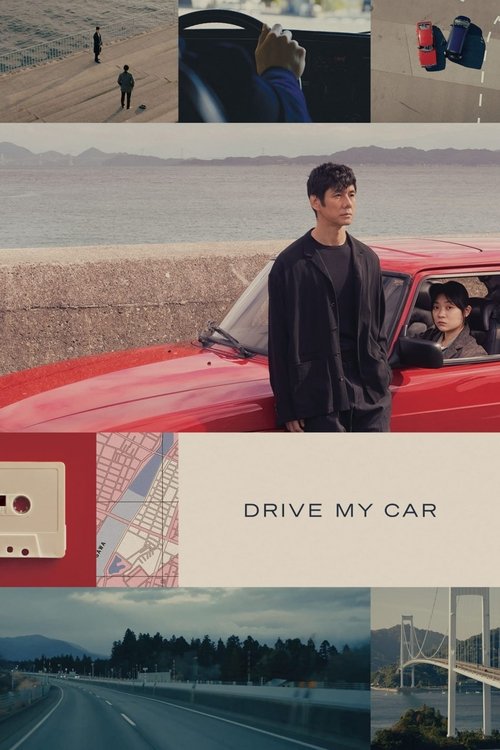
Drive My Car poster

Is Drive My Car OK for Kids?

Drama
17+
NRโญ 7.5 / 102021 ยท 2h 59m
Ryusuke Hamaguchi

Where to Watch

United States

Stream

Criterion Channel

Rent

Amazon VideoApple TV StoreFandango At Home
Rent or Buy on Amazon

Streaming data by JustWatch

What's In It

Based on the actual screenplay
๐Ÿ—ก๏ธViolence
Extremeโ–ผ
Moments in the script, mildest โ†’ most intense
0
Cartoon / Comedic
0
Action & Peril
3
Injuries & Death Shown
2
Graphic & Disturbing
  • A teenage girl kills a burglar who has attempted to rape her by stabbing him repeatedly with a pen โ€” first in the eye, then the temple, then the neck. This is described as graphic and is the most disturbing violent act in the film.
  • Actor Takatsuki beats a man in a park so severely that the man later dies in hospital, resulting in Takatsuki's arrest and a major crisis for the theatre production.
  • A landslide destroys a house and Misaki's mother is killed under falling debris โ€” shown as part of Misaki's traumatic account of her past.
  • Misaki's mother, who suffered from dissociative personality disorder, physically beats Misaki โ€” hitting and kicking her โ€” creating a pattern of abuse in Misaki's childhood.
  • Kafuku's wife collapses from a cerebral hemorrhage and becomes unresponsive, dying suddenly. The film's violence is largely rooted in real-world tragedy and consequence rather than action spectacle, making it consistently weighty and upsetting.
๐Ÿ’ฌLanguage
Very Mildโ–ผ
Moments in the script, mildest โ†’ most intense
6
Mild Words
(damn, hell)
0
Moderate
(ass, b**ch)
0
Strong
(sh*t)
0
Extreme
(f**k)
  • Characters say 'da**' (x2), 'God da**' (x1), 'hell' (x2), and 'fool' (x1) โ€” all of which fall into the moderate/mild register.
  • No f-words, c-words, s-words, or slurs of any kind were detected in the extraction.
  • The overall language is restrained and literary in keeping with the film's tone, with no sustained or aggressive use of profanity.
๐Ÿ‘ปScary Scenes
Extremeโ–ผ
Moments in the script, mildest โ†’ most intense
1
Mildly Tense
0
Startling Moments
1
Genuinely Scary
2
Deeply Disturbing
  • A burglar attempts to rape a girl in a boy's bedroom โ€” this scene is explicitly flagged as scary and leads directly into the graphic stabbing sequence.
  • After the girl kills the burglar, a surveillance camera appears at Yamaga's house, suggesting the world has changed into something sinister โ€” described as deeply disturbing and unsettling in its implications.
  • Misaki's mother suffered from dissociative personality disorder, creating a distressing and psychologically frightening dynamic with her child โ€” flagged as disturbing.
  • A girl discovers that a man has been killed in the boy's room and must confront the consequences โ€” this tense scene follows the violent confrontation and carries sustained psychological dread.
  • Scary scenes are not resolved tidily โ€” the film treats trauma as ongoing and unresolved, which may be more disturbing to some viewers than conventional horror.
๐Ÿ’•Romance
Extremeโ–ผ
Moments in the script, mildest โ†’ most intense
1
Crushes & Holding Hands
1
Kissing & Dating
2
Suggestive
2
Sexual Content
  • Kafuku's wife had multiple sexual affairs with actors over the course of their marriage while maintaining their relationship โ€” this is a central plot revelation and is discussed explicitly.
  • The wife's sexual storytelling is strongly connected to her intimacy with her husband; she tells stories to Kafuku after sex, making the sexual relationship narratively prominent.
  • A high school girl masturbates on a boy's bed while fantasising about him โ€” this is depicted as part of her obsessive and unrequited love for him.
  • The same girl leaves an unused tampon and later her underwear in the boy's drawer as tokens of herself โ€” described as suggestive behaviour within her pattern of obsession.
  • Actor Takatsuki and Janice share an intimate moment during a rehearsal that becomes a kiss.
  • The film's romantic content is predominantly adult and psychologically complex โ€” infidelity, obsession, and the entanglement of sex and creativity are recurring themes not suitable for younger viewers.
๐ŸบSubstances
Mildโ–ผ
Moments in the script, mildest โ†’ most intense
2
Mentioned in Passing
1
Shown Casually
0
Featured Prominently
0
Glorified or Abused
  • Morphine is referenced in dialogue as Uncle Vanya's substance within the Chekhov text; a character is asked to return it โ€” this is a literary reference within rehearsal, not depicted use.
  • Vodka is offered instead of tea in a line of dialogue โ€” a casual, brief mention with no on-screen consumption shown.
  • Eye drops are mentioned as a twice-daily prescription for glaucoma treatment โ€” a medical reference with no substance abuse context.
  • No glorification of substance use is present; all references are incidental or theatrical in nature.
โšกStimulation
Extremeโ–ผ
Moments in the script, mildest โ†’ most intense
0
Gently Engaging
0
Exciting
3
Intense
1
Overwhelming
  • The film is slow-paced overall, but contains several emotionally overwhelming sequences that are intense in a psychological rather than sensory way โ€” not suitable for sensory-sensitive children.
  • Kafuku breaks down emotionally while confronting his wife's infidelity and death โ€” described as overwhelming and is one of the film's most raw, distressing sequences.
  • Takatsuki has a violent outburst during rehearsal involving yelling and physical aggression โ€” described as an intense scene within the theatrical setting.
  • Misaki delivers a traumatic account of her mother's mental illness, physical abuse, and her own role in her mother's death โ€” described as intense and deeply upsetting.
  • An intimate moment between Takatsuki and Janice during rehearsal ends with both actors crying โ€” emotionally intense and likely affecting for viewers already invested in the characters.
Drive My Car โ€” Heads Up for Parents

Despite being marketed and received as a quiet, contemplative art-house drama, the film contains a genuinely graphic murder sequence in which a teenage girl kills a home intruder by stabbing him in the eye, temple, and neck with a pen โ€” this scene arrives within what is otherwise a slow, dialogue-driven film and may shock parents who are not expecting it based on the film's reputation or rating.

About Drive My Car

Drive My Car is a slow-burning, emotionally complex Japanese drama about Kafuku, a theatre director still reckoning with the death of his wife and the revelation of her infidelities, who is assigned a young female driver, Misaki, while staging a multilingual production of Chekhov's Uncle Vanya. Through long car journeys and the rehearsal process, the two gradually open up about grief, guilt, and survival. The film is contemplative and literary in tone, prioritising emotional truth over plot action.

โš ๏ธ
Watch with your child
The film's combination of graphic violence, explicit sexual themes including infidelity and a minor masturbating, deeply disturbing psychological content around parental abuse and dissociative disorder, and emotionally overwhelming grief sequences makes it unsuitable for anyone under 17 to watch without a parent present โ€” and even mature teens will benefit from adult conversation about the film's moral complexity around guilt, survival, and forgiveness.

Family Takeaways from Drive My Car

What it gets right

  • โœ“The film handles grief with unusual honesty and depth โ€” Kafuku's breakdown when confronting his wife's infidelity and death shows that loss is not linear and that pain does not resolve neatly, which is an emotionally truthful portrayal rarely seen on screen.
  • โœ“The ensemble rehearsal scenes show collaborative creative work across languages and cultures as genuinely meaningful, with Chekhov's text acting as a shared space for emotional vulnerability โ€” a compelling portrait of what art can do for people in pain.

Drive My Car Cultural & Values Guide

Cultural & Values Guide

Faith & Religion
โ—Buddhist themes

The film explores Buddhist concepts of acceptance and letting go through Yusuke's journey of grief. His practice of meditation and mindful acceptance of his wife's secrets reflects core Buddhist philosophy about releasing attachment to suffering.

Community Notes

  • Some viewers and critics have noted that the wife's sexual agency and infidelity are presented with moral ambiguity rather than condemnation, which some audiences find uncomfortable or insufficiently addressed within the film's emotional resolution.

Cast:Hidetoshi NishijimaToko MiuraMasaki OkadaReika KirishimaPark Yu-rim

Is Drive My Car Appropriate for Your Child's Age?

โœ—Age 5: Not recommended for 5-year-olds
โœ—Age 8: Not recommended for 8-year-olds
โœ—Age 10: Not recommended for 10-year-olds
โœ—Age 12: Not recommended for 12-year-olds
โœ—Age 13: Not recommended for 13-year-olds
โœ—Age 15: Not recommended for 15-year-olds
โœ“Age 17: Generally appropriate for 17-year-olds

Individual children may vary โ€” use your judgment.

Parents also ask about Drive My Car

  • Is Drive My Car appropriate for a 17-year-old?
  • Does Drive My Car have violence?
  • Is Drive My Car OK for kids?
  • What is the age rating for Drive My Car?
Browse more parent guides

All movies Aโ€“ZDrama movies