🍿 PopcornCheck
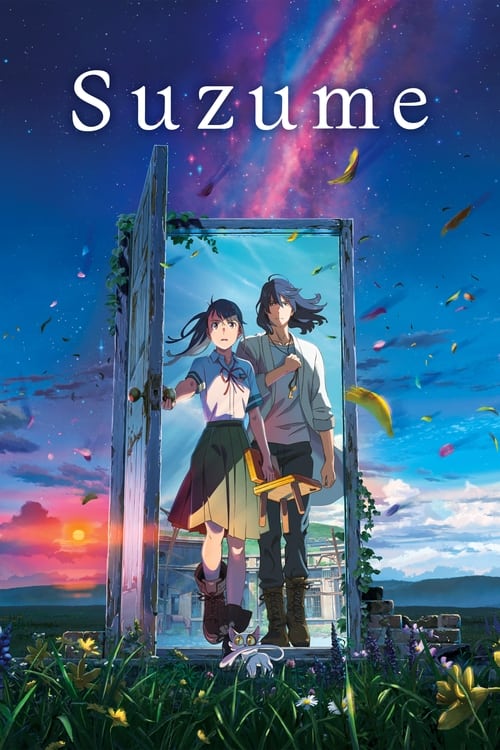
Suzume poster

Is Suzume OK for Kids?

AnimationDramaAdventureFantasy
10+
PG⭐ 7.6 / 102022 · 2h 2m
Makoto Shinkai

Where to Watch

United States

Stream

NetflixCrunchyrollCrunchyroll Amazon ChannelNetflix Standard with Ads

Rent

Amazon VideoApple TV StoreGoogle Play MoviesYouTubeFandango At Home
Rent or Buy on Amazon

Streaming data by JustWatch

What's In It

Based on the actual screenplay
πŸ—‘οΈViolence
Mildβ–Ό
Moments in the script, mildest β†’ most intense
1
Cartoon / Comedic
4
Action & Peril
0
Injuries & Death Shown
0
Graphic & Disturbing
  • Souta physically fights and struggles against the writhing worm manifestation as it tries to break through the Gate
  • Suzume and Souta repeatedly run through collapsing structures and dodge falling debris during earthquake events triggered by the Gates opening
  • Daijin the cat scratches and curses Souta, transforming him into a wooden chair in a cartoonish but unsettling moment
  • In the climax, Souta pierces the giant worm with Daijin (who has become the Keystone) to seal the Gate for good
  • Overall violence is fantasy/action-peril in nature β€” no blood, gore, or graphic injury, but the stakes and destruction feel real and intense
πŸ’¬Language
Very Mildβ–Ό
Moments in the script, mildest β†’ most intense
6
Mild Words
(damn, hell)
0
Moderate
(ass, b**ch)
0
Strong
(sh*t)
0
Extreme
(f**k)
  • Characters say 'hell' (x2), 'dammit' (x3), and 'cr*p' (x1) across the film
  • No f-words, s-words, or any stronger profanity are used anywhere in the script
  • Language is infrequent and mild, comparable to what kids might hear in a PG family film
πŸ‘»Scary Scenes
Extremeβ–Ό
Moments in the script, mildest β†’ most intense
1
Mildly Tense
1
Startling Moments
3
Genuinely Scary
1
Deeply Disturbing
  • The first earthquake warning and sudden appearance of the giant worm startles Suzume and serves as a jolting introduction to the supernatural threat
  • The worm emerging from the earth and looming over Tokyo is depicted as genuinely scary, apocalyptic-scale imagery
  • Souta's transformation into a Keystone, where he begins losing his humanity inside the Ever-After, is an emotionally frightening sequence for a young audience
  • Suzume's buried memories of the 2011 tsunami and losing her mother are presented as disturbing, traumatic content rooted in real tragedy
  • Suzume's journey into the otherworldly Ever-After includes unsettling, dreamlike imagery
  • These scary moments are resolved through courage, connection, and ultimately sealing the Gates and confronting grief directly rather than through pure spectacle
πŸ’•Romance
Moderateβ–Ό
Moments in the script, mildest β†’ most intense
3
Crushes & Holding Hands
1
Kissing & Dating
1
Suggestive
0
Sexual Content
  • Suzume develops a growing crush on Souta as they travel together across Japan, with her emotional attachment deepening throughout the story
  • Daijin, in his god-like form, shows affection toward Suzume that causes mild jealousy between characters
  • Chika makes a joking, lighthearted comment suggesting a kiss could wake someone up β€” played for humor, not seriously suggestive
  • The emotional climax has Souta and Suzume in close physical proximity as they express wanting to live and be together, framed as heartfelt rather than physical/romantic in an explicit sense
  • No sexual content; romance stays at a crush/emotional-connection level appropriate for pre-teens and up
🍺Substances
Mildβ–Ό
Moments in the script, mildest β†’ most intense
1
Mentioned in Passing
2
Shown Casually
0
Featured Prominently
0
Glorified or Abused
  • Tamaki, Suzume's aunt/guardian, orders beer at a bar/izakaya on multiple occasions
  • Background bar patrons are shown drinking alcohol casually while Suzume works there as a helper
  • There is one passing mention/reference to someone having 'another drink'
  • Drinking is depicted as an ordinary adult social activity, not glorified, abused, or a focus of any scene
⚑Stimulation
Extremeβ–Ό
Moments in the script, mildest β†’ most intense
0
Gently Engaging
1
Exciting
3
Intense
1
Overwhelming
  • Earthquake sequences feature shaking ground, blaring sirens, and structural collapse that are intense in sound and visuals
  • Chase sequences span car, train, and on-foot travel across Japan with fast pacing
  • The worm falling toward Tokyo is depicted with intense, apocalyptic-scale imagery
  • The final Ever-After sequence is overwhelming, combining supernatural visuals with a high emotional climax
  • Lighter road-trip stretches provide breathing room with exciting but comedic and heartfelt pacing
  • Sensory-sensitive children may find the earthquake and Ever-After sequences overwhelming given the loud sound design and rapid visual shifts
Suzume β€” Heads Up for Parents

Despite the whimsical fantasy setup with a cursed cat and a chair-turned-companion, the film builds to a genuinely disturbing sequence where Suzume relives specific memories of losing her mother in the real 2011 tsunami β€” parents of children sensitive to real-world disaster trauma should be aware this isn't purely fantasy peril.

About Suzume

Suzume is a Japanese animated fantasy-adventure about a teenage girl who joins a mysterious young man in sealing magical doors that unleash giant destructive worms causing earthquakes across Japan. Along the way, the film weaves in themes of grief and loss tied to the real 2011 Tōhoku earthquake and tsunami, blending road-trip adventure, light romance, and emotional healing. The tone shifts between whimsical (a cat-turned-chair companion, comedic side characters) and deeply moving (buried childhood trauma).

πŸ‘¨β€πŸ‘§
Best watched together
Younger children around ages 8-10 may benefit from a parent present to help process the disturbing tsunami memory sequence and the emotionally heavy scene where Souta loses his humanity in the Ever-After, both of which carry more emotional weight than the film's fantasy-adventure surface suggests.

Family Takeaways from Suzume

What it gets right

  • βœ“The film portrays grief honestly through Suzume's traumatic memories of the 2011 tsunami and her mother's death, without shying away from the emotional weight, while still offering comfort through her mother's message in the Ever-After
  • βœ“It shows found-family dynamics realistically β€” Tamaki's complicated but loving guardianship of Suzume, and near-strangers like Chika and Serizawa going out of their way to help without expecting anything in return

Suzume Cultural & Values Guide

Cultural & Values Guide

Values & Themes
●Traditional family values

The film centers on Tamaki's devoted guardianship of her niece Suzume after her mother's death, and repeatedly emphasizes family duty, responsibility, and the bonds of found family through characters like Serizawa and Chika helping without expecting reward.


Cast:Nanoka HaraHokuto MatsumuraEri FukatsuShota SometaniSairi Ito

Is Suzume Appropriate for Your Child's Age?

βœ—Age 5: Not recommended for 5-year-olds
βœ—Age 8: Not recommended for 8-year-olds
βœ“Age 10: Generally appropriate for 10-year-olds
βœ“Age 12: Generally appropriate for 12-year-olds
βœ“Age 13: Generally appropriate for 13-year-olds
βœ“Age 15: Generally appropriate for 15-year-olds
βœ“Age 17: Generally appropriate for 17-year-olds

Individual children may vary β€” use your judgment.

Parents also ask about Suzume

  • Is Suzume appropriate for a 10-year-old?
  • Does Suzume have violence?
  • Is Suzume OK for kids?
  • What is the age rating for Suzume?