🍿 PopcornCheck
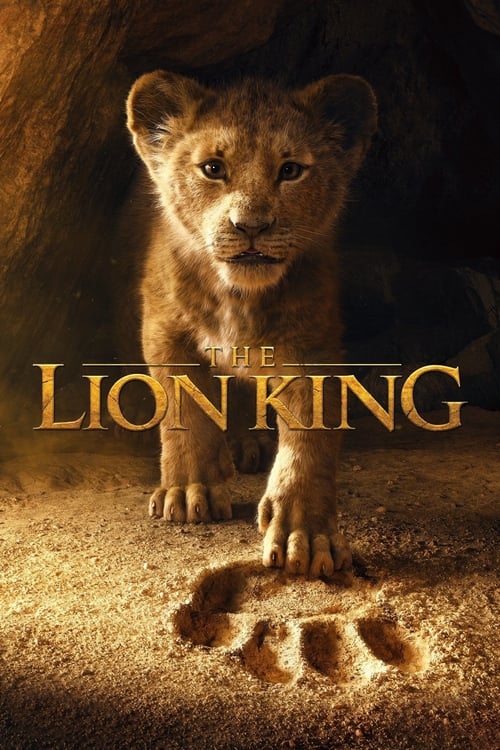
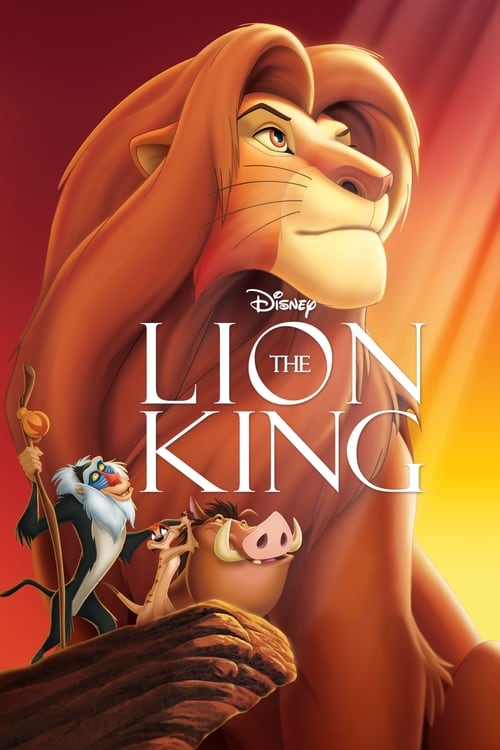
The Lion King poster

Is The Lion King OK for Kids?

AnimationFamilyDrama
6+
G⭐ 8.5 / 101994 · 1h 29m
Roger Allers● Script verified

Where to Watch

United States

Stream

Disney Plus

Rent

Amazon VideoApple TV StoreGoogle Play MoviesYouTubeFandango At Home
Rent or Buy on Amazon

Streaming data by JustWatch

What's In It

Based on the actual screenplay
πŸ—‘οΈViolence
Extremeβ–Ό
Moments in the script, mildest β†’ most intense
2
Cartoon / Comedic
5
Action & Peril
1
Injuries & Death Shown
2
Graphic & Disturbing
  • Mufasa is trampled to death in a wildebeest stampede after Scar throws him from a cliff ledge β€” his death is shown clearly on screen with Simba discovering and nuzzling his father's lifeless body.
  • Scar later confesses to Simba during their fight that he murdered Mufasa by throwing him into the stampede, and demonstrates dominance over Mufasa's memory in a confrontational, graphic revelation.
  • Scar is defeated by Simba in a physical combat sequence, then surrounded and eaten alive by the hyenas he betrayed β€” this is the film's most graphically violent moment, shown through shadow and flame.
  • Hyenas chase and surround Simba and Nala in the elephant graveyard, directly threatening the two young cubs in a sustained peril sequence.
  • Scar orders his hyenas to kill young cub Simba, who flees for his life into a thorny ravine.
  • The final battle sequence involves the pride lions attacking hyenas in coordinated combat, and Simba and Scar fighting physically on the edge of Pride Rock above a fire.
  • Violence ranges from comedic β€” Scar playfully threatening to eat Zazu with physical comedy β€” to genuinely graphic; the film does not shy away from death or consequence.
πŸ’¬Language
Very Mildβ–Ό
Moments in the script, mildest β†’ most intense
3
Mild Words
(damn, hell)
0
Moderate
(ass, b**ch)
0
Strong
(sh*t)
0
Extreme
(f**k)
  • The word 'pathetic' is used once as an insult.
  • The word 'fool' or 'fools' is used twice, both as dismissive insults.
  • No profanity of any kind β€” no da**, hell, a**, or stronger words detected in the extraction.
  • No slurs, no near-profanity, and no creative adult insults beyond the mild words noted above.
πŸ‘»Scary Scenes
Extremeβ–Ό
Moments in the script, mildest β†’ most intense
1
Mildly Tense
1
Startling Moments
3
Genuinely Scary
1
Deeply Disturbing
  • The wildebeest stampede sequence β€” loud, chaotic, and fast β€” culminates in Mufasa's death and a young cub discovering his father's body; likely the most emotionally distressing scene in the film for young children.
  • Scar emotionally manipulates a grieving Simba immediately after Mufasa dies, telling him the death was his fault and ordering him to run β€” this psychological cruelty toward a child is potentially more disturbing than the physical violence.
  • Hyenas suddenly surround Simba and Nala in the elephant graveyard in a startling appearance, creating sustained threat toward the two cubs.
  • Young Simba is shown lost and alone in a desert, collapsing from exhaustion β€” a quiet but emotionally heavy scene of a child in genuine danger.
  • Scar reveals mid-fight that he murdered Mufasa, a shocking confession that reframes the film's central tragedy.
  • Simba's awareness that he has crossed beyond the Pride Lands' boundaries, with threatening shadows ahead, creates a tense atmosphere of dread before the hyena encounter.
  • Most scary scenes are resolved β€” Mufasa rescues the cubs from the hyenas, Timon and Pumbaa save Simba, and Simba ultimately defeats Scar β€” but Mufasa's death is not undone.
πŸ’•Romance
Moderateβ–Ό
Moments in the script, mildest β†’ most intense
2
Crushes & Holding Hands
0
Kissing & Dating
1
Suggestive
0
Sexual Content
  • Zazu mentions early in the film that Simba and Nala are betrothed; both cubs react with disgust, played entirely for comedy.
  • As adults, Simba and Nala reunite with emotional and romantic undertones β€” their reconnection is warm and tender but contains no physical intimacy beyond closeness.
  • The 'Can You Feel the Love Tonight' musical sequence shows Simba and Nala together at twilight in a romantic atmosphere with suggestive framing, but nothing physical or explicit occurs.
  • No kissing is shown on screen, no sexual content of any kind, and no adult innuendo directed at children.
🍺Substances
Mildβ–Ό
Moments in the script, mildest β†’ most intense
1
Mentioned in Passing
1
Shown Casually
0
Featured Prominently
0
Glorified or Abused
  • The concept of hunting and eating prey is referenced throughout the film as part of the Circle of Life β€” presented as natural and ecological rather than violent or glorified.
  • Timon and Pumbaa eat insects and bugs as their regular diet, shown casually and played for humor.
  • No alcohol, drugs, or tobacco of any kind appear or are referenced in the extraction.
  • Neither food-related reference is presented as negative, glorified, or focused on in a way that would concern parents.
⚑Stimulation
Moderateβ–Ό
Moments in the script, mildest β†’ most intense
1
Gently Engaging
2
Exciting
2
Intense
0
Overwhelming
  • The wildebeest stampede sequence is loud, fast-paced, and chaotic β€” the most intense sensory moment in the film, combining rapid visuals, thunderous sound design, and high emotional stakes.
  • The final battle between lions and hyenas is fast-moving with dramatic confrontation and firelit imagery β€” likely overwhelming for very young or sensory-sensitive children.
  • The 'I Just Can't Wait to Be King' musical number is energetic and playful β€” exciting but not overwhelming.
  • The 'Hakuna Matata' sequence is upbeat and fun with a carefree pace β€” a welcome sensory break after the film's heaviest scenes.
  • The opening 'Circle of Life' sunrise sequence is majestic and gentle, and is unlikely to overwhelm any child.
  • Overall pacing alternates between calm musical interludes and genuinely intense action β€” families with sensory-sensitive children should be aware of the stampede and final battle sequences specifically.
The Lion King β€” Heads Up for Parents

Despite being a beloved children's classic, the scene immediately following Mufasa's death β€” where Scar crouches over the grieving cub Simba and psychologically manipulates him into believing he caused his own father's death, then tells him to 'run away and never return' β€” is a sustained act of emotional abuse toward a child character that may be more distressing for sensitive young viewers than the physical violence of the stampede itself.

About The Lion King

The Lion King is an animated Disney musical set in the African savanna, following young lion cub Simba as he grows up after his father Mufasa is murdered by his scheming uncle Scar, who manipulates Simba into believing he caused the death. After years of running from his guilt, adult Simba must find the courage to return home, confront Scar, and reclaim his rightful place as king. The film blends vibrant musical numbers and warm humor with genuinely heavy themes of grief, guilt, and redemption.

πŸ‘¨β€πŸ‘§
Best watched together
Mufasa's on-screen death, Scar's psychological manipulation of a grieving Simba, and Scar's death by being eaten alive make this film emotionally heavy for children under 8 β€” a parent present can provide reassurance during the stampede sequence and help younger children process the themes of grief, guilt, and loss that drive the story.

Family Takeaways from The Lion King

What it gets right

  • βœ“The film handles grief and guilt with genuine emotional honesty β€” Simba's collapse beside his father's body and his years of running from responsibility give children a safe space to process big feelings about loss.
  • βœ“Mufasa's teaching about the Circle of Life β€” that all creatures are connected and that kings do not own the land but must protect it β€” introduces ecological responsibility and humility in an accessible way for young viewers.

The Lion King Cultural & Values Guide

Cultural & Values Guide

Values & Themes
●Traditional family values

The entire story centers on Simba learning to honor his father's legacy and accept his responsibilities to his family and community. The film's core message is about family duty, the importance of respecting elders, and taking one's rightful place in the family structure.

Community Notes

  • Some critics and scholars have noted that the film's hyena characters β€” who speak in accents associated with Black and Latino communities and are portrayed as the villain's criminal underclass β€” reflect problematic racial coding in the film's character design and voice casting.

Screenplay

Unverified screenplay text β€” may be a draft or the wrong film.

Loading screenplay…


Awards: Academy Award for Best Original Score and Best Original Song (Can You Feel the Love Tonight)

Cast:Matthew BroderickMoira KellyJeremy IronsNathan LaneErnie Sabella

Is The Lion King Appropriate for Your Child's Age?

βœ—Age 5: Not recommended for 5-year-olds
βœ“Age 8: Generally appropriate for 8-year-olds
βœ“Age 10: Generally appropriate for 10-year-olds
βœ“Age 12: Generally appropriate for 12-year-olds
βœ“Age 13: Generally appropriate for 13-year-olds
βœ“Age 15: Generally appropriate for 15-year-olds
βœ“Age 17: Generally appropriate for 17-year-olds

Individual children may vary β€” use your judgment.

Parents also ask about The Lion King

  • Is The Lion King appropriate for a 6-year-old?
  • Does The Lion King have violence?
  • Is The Lion King OK for kids?
  • What is the age rating for The Lion King?