๐Ÿฟ PopcornCheck
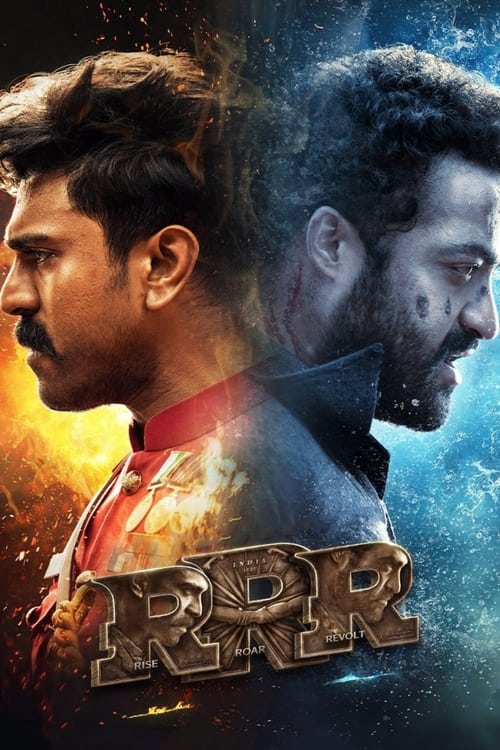
RRR poster

Is RRR OK for Kids?

ActionHistoryDrama
15+
Rโญ 7.8 / 102022 ยท 3h 7m
S. S. Rajamouli

Where to Watch

United States

Stream

NetflixNetflix Standard with Ads
Rent or Buy on Amazon

Streaming data by JustWatch

What's In It

Based on the actual screenplay
๐Ÿ—ก๏ธViolence
Extremeโ–ผ
Moments in the script, mildest โ†’ most intense
0
Cartoon / Comedic
4
Action & Peril
3
Injuries & Death Shown
3
Graphic & Disturbing
  • In the film's opening, Governor Scott forcibly abducts young Malli from her father Loki โ€” the father begs and pleads as his child is taken, and Malli's visible tears and trauma are shown in full.
  • Bheem is subjected to a prolonged public flogging by British soldiers โ€” he is ordered to kneel and confess, whipped repeatedly, and blood is visibly shown during the sustained torture sequence.
  • British soldiers open fire on an entire village including children during a raid โ€” multiple deaths are shown on screen and parents are killed in front of fleeing children.
  • Bheem is bitten by a Banded Krait snake and shown in severe physical distress from the venom โ€” his sacred thread is also removed during this sequence, adding religious violation to the physical injury.
  • The climactic barracks sequence runs over 20 minutes and features continuous combat using arrows, cannons, gunfire, and explosions โ€” multiple characters are killed and large-scale destruction is depicted throughout.
  • A hanging execution is prepared on screen โ€” a noose is shown, neck-snapping is discussed explicitly, and body disposal is referenced in dialogue.
  • Weapons used across the film include rifles, cannons, bows and arrows, whips, and fire โ€” violence is persistent and escalating across the runtime.
  • The overall tone of violence is operatic but graphic โ€” colonial brutality is depicted without softening, and suffering, including that of children, is shown to underscore the film's anti-colonial message.
๐Ÿ’ฌLanguage
Mildโ–ผ
Moments in the script, mildest โ†’ most intense
12
Mild Words
(damn, hell)
13
Moderate
(ass, b**ch)
0
Strong
(sh*t)
0
Extreme
(f**k)
  • Strong words used: 'b**tard' (8 times), 'bugger' (4 times), 'swine' (1 time), 'traitor' used as a charged insult (2 times).
  • Moderate words used: 'da**' (6 times), 'hell' (3 times), 'filthy' (2 times), 'rubbish' (1 time).
  • No f-words, c-words, or racial slurs were detected in the extraction โ€” the strongest language is 'b**tard' used repeatedly by British antagonists.
  • Much of the strong language is directed by British colonial characters at Indian protagonists, giving it a charged power-dynamic context rather than casual use.
๐Ÿ‘ปScary Scenes
Extremeโ–ผ
Moments in the script, mildest โ†’ most intense
1
Mildly Tense
0
Startling Moments
2
Genuinely Scary
3
Deeply Disturbing
  • The film opens with the deeply disturbing abduction of young Malli โ€” her father screams helplessly as she is taken by the Governor, and her tears and trauma are shown in close detail, likely to distress younger viewers significantly.
  • The public flogging of Bheem is both scary and graphically disturbing โ€” it is prolonged, brutal, and a child is forced to watch the torture, compounding the horror of the sequence.
  • The village massacre sequence โ€” soldiers firing into a crowd of villagers including children, with parents killed on screen and children fleeing โ€” is genuinely frightening and traumatic in its depiction.
  • The hanging execution preparation, including noose setup, explicit discussion of how a neck snaps, and conversation about body disposal, is presented with cold menace and is deeply unsettling.
  • A starvation sequence depicts starving children begging for food with only water available โ€” shown with visible desperation, this is emotionally disturbing rather than action-scary.
  • The British Governor Scott functions as a cold, authoritarian villain whose actions โ€” abducting a child, ordering torture, massacring villagers โ€” are frightening precisely because they are presented as institutional and remorseless.
  • There are no traditional jump scares, but the intensity of prolonged torture and massacre sequences produces sustained dread rather than shock-based fear.
๐Ÿ’•Romance
Moderateโ–ผ
Moments in the script, mildest โ†’ most intense
5
Crushes & Holding Hands
0
Kissing & Dating
1
Suggestive
0
Sexual Content
  • Raju (Ram) meets Jenny at a party โ€” they share a romantic dance and develop an emotional connection shown through art and conversation at her home.
  • Jenny tells Raju 'your deep expressive eyes always seem to be searching for something' during an intimate private conversation โ€” the most suggestive romantic moment in the film.
  • Seetha's devotion to Ram is portrayed as an implied betrothal โ€” she follows him everywhere, believes in him during his imprisonment, and he thinks of her and writes to her while captive.
  • No kissing, sexual contact, nudity, or explicit romantic content of any kind is shown โ€” all romance is at the level of emotional connection and implied affection.
๐ŸบSubstances
Moderateโ–ผ
Moments in the script, mildest โ†’ most intense
1
Mentioned in Passing
1
Shown Casually
1
Featured Prominently
0
Glorified or Abused
  • Alcohol is referenced and shown being consumed at the Gymkhana Club party โ€” it is background social drinking among British colonial characters and is not a focus of any scene.
  • Datura root is used as an antidote to Bheem's snake venom poisoning โ€” it is presented in a medicinal/survival context, not glorified or used recreationally.
  • Smallpox is referenced in dialogue as a cover story used to evade police โ€” it is a plot device mention only, not a depiction of illness or substance use.
  • No drug abuse, addiction, or glorification of substance use is present in the film.
โšกStimulation
Extremeโ–ผ
Moments in the script, mildest โ†’ most intense
0
Gently Engaging
1
Exciting
3
Intense
1
Overwhelming
  • The film is extremely high-stimulation throughout โ€” it combines rapid editing, thunderous sound design, and operatic emotional swings that sustain intensity for a runtime of nearly three hours.
  • The Naatu Naatu dance sequence is a high-energy, aggressively choreographed number featuring provocative movements and cultural rebellion โ€” exciting but potentially overwhelming for younger children.
  • The climactic 20-plus minute action sequence is the most overwhelming portion of the film โ€” continuous explosions, cannon fire, arrows, gunfire, and fire create near-constant sensory overload.
  • Chase sequences through Delhi involving motorcycles and rooftop jumping add additional fast-paced stimulation across the mid-section of the film.
  • The public flogging scene is intensely distressing in a different register โ€” prolonged, repetitive strikes and emotional anguish create sustained psychological stimulation.
  • This film is not suitable for sensory-sensitive children โ€” even older teenagers may find the cumulative intensity of the runtime taxing.
RRR โ€” Heads Up for Parents

Despite being marketed as an action blockbuster, the public flogging sequence โ€” in which Bheem is whipped repeatedly with blood shown while a child is forced to watch โ€” is closer in intensity to historical war film torture scenes than to standard action movie violence, and may be deeply upsetting even for adults who were not expecting it.

About RRR

RRR is a 2022 Indian epic action film set in 1920s colonial India, following two real-life revolutionary heroes โ€” Alluri Sitarama Raju (Ram) and Komaram Bheem โ€” who meet as strangers, form a powerful friendship, and ultimately fight side by side against British imperial rule. The film blends spectacular action choreography, emotional brotherhood, and anti-colonial themes with references to Hindu mythology, particularly the Ramayana. It is operatic in scale, deeply patriotic in tone, and uncompromisingly intense in its depiction of colonial brutality.

๐Ÿ‘จโ€๐Ÿ‘ง
Best watched together
The film's graphic depiction of colonial torture, child abduction, village massacre, and revolutionary ideology make it essential that parents of 15โ€“17 year olds watch alongside their teens โ€” not to gatekeep, but to contextualise the historical violence and discuss the film's moral questions about duty, conscience, and resistance.

Family Takeaways from RRR

What it gets right

  • โœ“The film takes British colonial violence seriously and gives it human cost โ€” the abduction of Malli and the massacre of villagers are not sanitised, which gives older teens a visceral understanding of why anti-colonial movements existed.
  • โœ“Raju's moral choice to save Bheem rather than complete his mission is a powerful dramatisation of conscience overriding institutional pressure โ€” a rare moment of genuine moral complexity in mainstream action cinema.

RRR Cultural & Values Guide

Cultural & Values Guide

Faith & Religion
โ—Hindu themes

The film explicitly incorporates Hindu mythology and imagery, with Rama representing Lord Rama and Bheem embodying Hanuman-like strength and devotion. The climactic scenes directly parallel the Ramayana epic with visual and thematic references to Hindu deities.

Values & Themes
โ—Traditional family values

The entire emotional core of the film is driven by familial duty - Bheem's mission to rescue a young girl for her mother, and both protagonists' deep devotion to their families and communities. Family sacrifice and loyalty are the central motivating forces throughout the narrative.

Community Notes

  • Some critics from British and Commonwealth communities have noted the film's unambiguously anti-British colonial framing presents British characters uniformly as cruel oppressors with little nuance โ€” parents may wish to discuss the intentional perspective of the filmmakers and the history being depicted.
  • Some Indian critics have noted the film's portrayal of tribal and caste identity, raising questions about whether Gond cultural representation is fully authentic or shaped by mainstream Tollywood conventions.

Cast:N.T. Rama Rao Jr.Ram CharanOlivia MorrisRay StevensonAlison Doody

Is RRR Appropriate for Your Child's Age?

โœ—Age 5: Not recommended for 5-year-olds
โœ—Age 8: Not recommended for 8-year-olds
โœ—Age 10: Not recommended for 10-year-olds
โœ—Age 12: Not recommended for 12-year-olds
โœ—Age 13: Not recommended for 13-year-olds
โœ“Age 15: Generally appropriate for 15-year-olds
โœ“Age 17: Generally appropriate for 17-year-olds

Individual children may vary โ€” use your judgment.

Parents also ask about RRR

  • Is RRR appropriate for a 15-year-old?
  • Does RRR have violence?
  • Is RRR OK for kids?
  • What is the age rating for RRR?